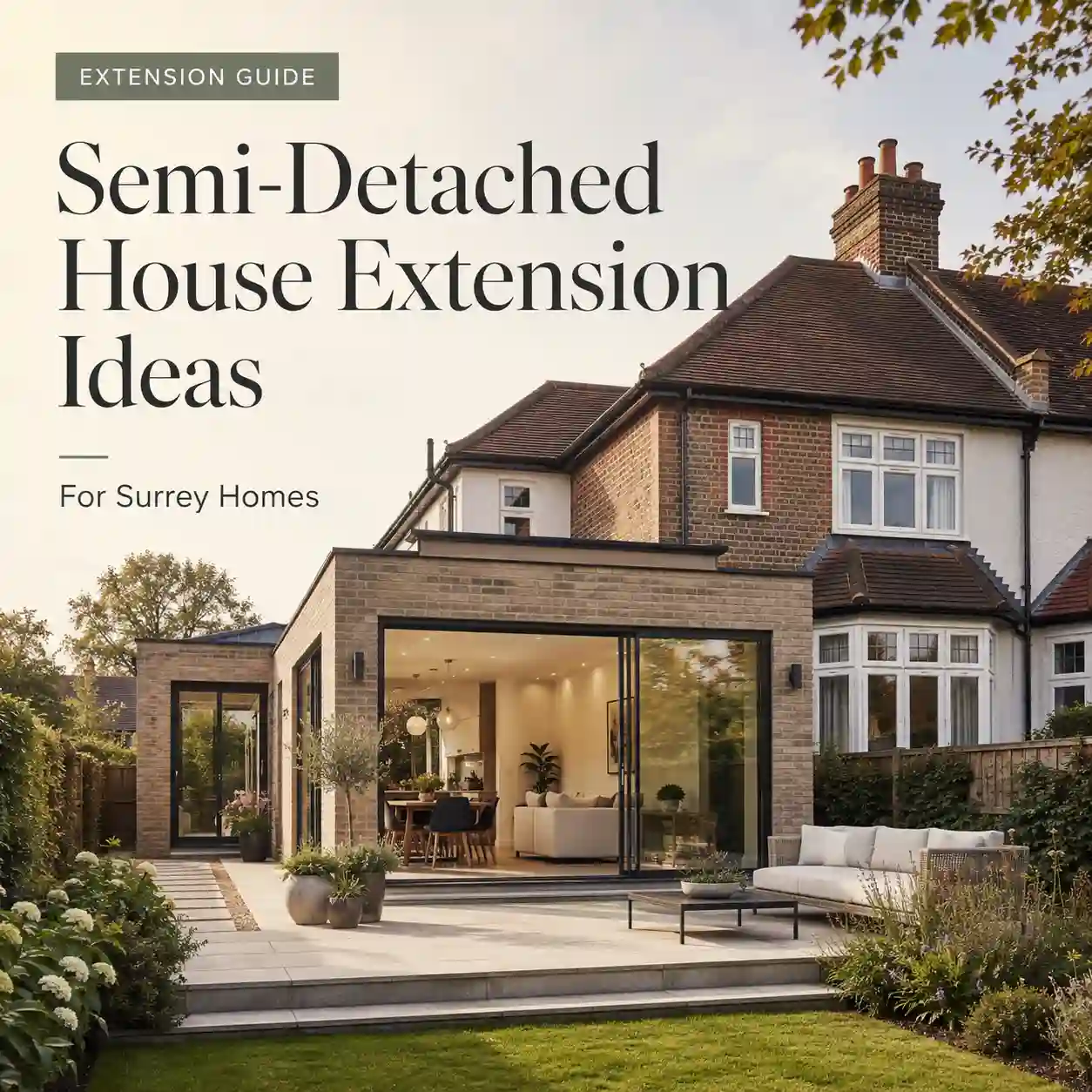
Architect fees for extensions: what should homeowners budget? Architectural design is one of the first cost questions homeowners ask when planning an extension. The challenge is that “architect fees” can mean different things: early concept sketches, measured surveys, planning drawings, Building Regulations drawings, technical detailing, structural coordination or full project support. This guide explains what extension design fees can cover, why quotes vary and how HWP’s architectural design and design and build route can help Surrey and Elmbridge homeowners move from idea to buildable scope with fewer gaps.
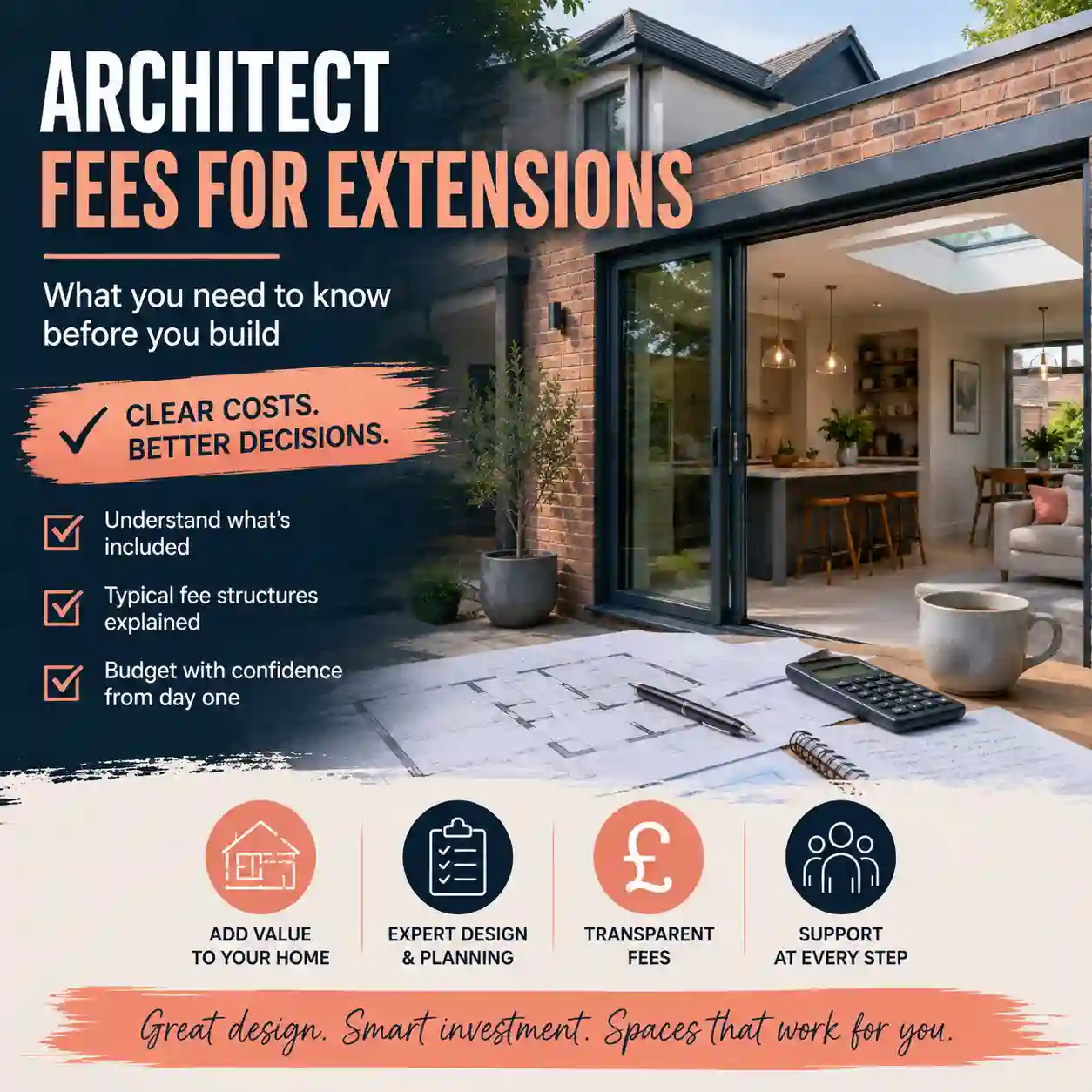
What do architect or design fees usually cover?
Some homeowners only need planning drawings. Others need a more detailed design package with structural coordination, Building Regulations information, specification decisions and build-stage support. The more complex the extension, the more important it is to understand exactly what is included.
| Stage | What it may include | Why it matters |
|---|---|---|
| Measured survey | Existing plans, dimensions, levels and site context. | Gives the design a reliable starting point. |
| Concept design | Layout options, footprint, roof approach, glazing ideas and room flow. | Helps choose the right extension before committing to detail. |
| Planning drawings | Plans and elevations for a householder planning application or lawful development route. | Supports the planning permission process. |
| Technical design | Construction details, build-ups, insulation, drainage and specification information. | Helps meet Building Regulations and reduce site ambiguity. |
| Structural coordination | Input from a structural engineer for steels, openings, foundations and roof design. | Ensures the design can be built safely and priced properly. |
| Build support | Clarifying details, answering site questions and controlling scope changes. | Helps prevent misunderstandings during construction. |
Architect-only route vs design-and-build route
An architect-only route can work well where a homeowner wants a fully independent design team and plans to tender the project to multiple builders. A design and build route can be more joined up where the priority is buildability, clear scope, practical specification and one accountable team from survey to handover.
The most important point is not which route sounds more premium. It is whether the drawings, specification and quotation all describe the same project. Many budget problems begin when drawings are too vague for accurate pricing.
| Route | Potential benefit | Potential risk |
|---|---|---|
| Architect-only | Independent design-led approach and separate tender process. | Build cost may not be fully controlled until later unless budget is tested early. |
| Design and build | Design decisions can be reviewed alongside buildability, sequencing and cost. | Homeowners should still insist on clear scope, specification and documentation. |
| Hybrid support | Useful where existing drawings need build review before pricing. | Gaps between design intent and construction scope must be resolved. |
Local considerations in Surrey and Elmbridge
In Elmbridge, East Molesey, Esher, Thames Ditton, Surbiton and Weybridge, extension design often needs to respond to established homes, boundary positions, drainage, trees, conservation sensitivity, high finish expectations and the need to keep family life functioning during work.
Design fees should therefore be judged against the quality of information they produce. A cheaper drawing package can become expensive if it leaves important questions unanswered before pricing and project management begin.
Frequently asked questions
Not always in the traditional sense, but most extensions need proper design information. The right level of support depends on planning, structure, specification and project complexity.
Usually not. Planning drawings show the proposal for approval, but construction normally needs more technical detail, structural input and Building Regulations information.
Yes. HWP provides architectural design and wider design and build support for extensions, loft conversions and renovations.
Test budget and buildability early. HWP can review feasibility and likely scope before the design moves too far from a realistic house extension budget.