- Location :Claygate KT10
- Project Type :Single-Storey Rear Extension
- Primary Use :Kitchen, Dining & Family Space
- Duration :14 Weeks
- Completion :2026
- Local Authority :Elmbridge Borough Council

A carefully planned rear extension creating a brighter kitchen-diner, improved family living space and better connection to the garden.
This Claygate KT10 home needed more usable ground-floor space, a better kitchen and dining layout, and a stronger connection between the house and garden. The existing rear rooms felt disconnected from everyday family life, so the brief was to create a well-proportioned single-storey extension that improved light, flow and comfort without overdeveloping the plot.
A single-storey rear extension was the right solution because it unlocked the ground floor without changing the first-floor layout, roofline or bedroom arrangement. It also allowed the design to focus on the parts of the home the family used most: cooking, dining, relaxing, entertaining and moving naturally out to the garden.
The project was planned around typical Claygate and Elmbridge extension considerations, including garden depth, mature boundaries, neighbour amenity, drainage, foundations, daylight and the village setting. HWP Design & Build coordinated the planning route, structure, rooflights, insulation, glazing, services and Building Regulations through one managed process.

A larger two-storey scheme would have added complexity, changed the upper floor and created a more sensitive planning and neighbour impact review. For this Claygate property, the main problem was at ground-floor level, so a rear single-storey extension gave the family the space they needed with a clearer, more cost-controlled route.
| Design decision | Reason | Benefit for the homeowner |
|---|---|---|
| Single-storey rear extension | The family needed more kitchen, dining and living space, not more bedrooms. | More everyday space with a simpler build route than a full double-storey extension. |
| Balanced projection | Claygate gardens are a key part of property appeal and should not be overwhelmed. | The new room gained useful space while keeping a practical garden. |
| Rooflights over the deeper plan | Rear extensions can reduce light to the original centre of the house. | Better daylight, less reliance on artificial lighting and a brighter family space. |
| Wide rear glazing | The homeowners wanted a stronger visual and practical link to the garden. | Improved views, easier garden access and a more sociable layout. |
Claygate has a distinctive village character, mature gardens, established residential plots and conservation-sensitive pockets. A good extension design needs to consider more than the internal floor plan; it also has to respond to the setting, neighbours, garden and technical constraints of the property.
| Local factor | Why it mattered | How the project responded |
|---|---|---|
| Village character | Claygate homes often rely on proportion, materials and garden setting for their appeal. | The design was kept clean, balanced and sympathetic to the original property. |
| Conservation-sensitive areas | Claygate includes conservation areas, so materials, roof form and street visibility can be important. | The planning route was reviewed before works progressed, with scale and appearance treated carefully. |
| Mature gardens and trees | Tree roots and established planting can affect foundation depth, drainage routes and site access. | Groundworks were planned around boundary conditions, garden protection and practical access. |
| Neighbour amenity | Rear extensions can affect adjoining windows, patios and garden outlook. | Depth, eaves height, roof form and boundary relationship were checked before build. |
| Drainage and clay ground conditions | Older drainage runs and clay soils can add complexity to rear extension foundations. | Drainage connections, inspection access and foundation sequencing were coordinated early. |
| Family occupation during works | Many Claygate homeowners need to remain in the house during building works. | Sequencing, temporary protection and service changes were planned to reduce disruption. |
The project was assessed against the likely planning route before the build programme was finalised. For single-storey rear extensions in Elmbridge, the key checks normally include depth from the original rear wall, height and eaves height, boundary distance, materials, previous extensions, conservation constraints and whether a Lawful Development Certificate or householder planning application is the most appropriate route.
| Approval or check | Why it matters | HWP input |
|---|---|---|
| Planning route check | Determines whether permitted development, prior approval, lawful development or householder planning is likely to apply. | Initial assessment through our planning permission service. |
| Building Regulations | Covers structure, foundations, thermal performance, ventilation, drainage, glazing and electrical safety. | Inspection and technical coordination through our Building Regulations support. |
| Party wall review | Excavation or new walls close to neighbouring boundaries may require notices and agreements. | Boundary and notice coordination through our party wall support. |
| Drainage review | Rear extensions frequently interact with existing private drains, rainwater routes or inspection chambers. | Drainage position, access and build sequence reviewed before groundworks. |
| Tree and root protection | Mature trees can influence foundations, excavation depth and site protection measures. | Root zones and working areas reviewed during early buildability checks. |
A single-storey extension cost is usually shaped by the footprint, foundation design, drainage alterations, structural steelwork, roof type, rooflights, rear glazing, kitchen specification, heating, flooring and decoration. In Claygate, early scope clarity is especially useful because mature plots, garden access, conservation context and neighbour boundaries can all affect programme and cost.
| Scope level | Typical inclusion | Cost influence |
|---|---|---|
| Simple shell extension | Foundations, walls, roof, basic openings and weatherproof envelope. | Lower finish cost, but kitchen, flooring, decoration and lighting may sit outside the shell scope. |
| Finished family room | Insulated extension, structural opening, rooflights, glazing, electrics, heating, plastering, flooring and decoration. | Better reflects the real usable space the homeowner wants at handover. |
| Kitchen-diner extension | All of the above plus kitchen layout, plumbing, extraction, lighting scenes, flooring and joinery coordination. | Usually a higher-value scope because kitchen specification and service coordination become major cost drivers. |
| Higher-spec Claygate finish | Premium glazing, larger rooflights, underfloor heating, bespoke joinery, high-quality flooring and refined exterior materials. | Raises the budget but can improve comfort, appearance and resale appeal in a sought-after Elmbridge location. |
Figures should always be confirmed by survey and specification. HWP Design & Build provides fixed-price clarity once drawings, scope, access, structure and finish level have been agreed.
The 14-week programme was planned to protect the existing home, keep the build sequence logical and reduce the risk of delays during the structural and weatherproofing stages.
| Stage | Typical works | Key focus |
|---|---|---|
| Weeks 1-2 | Site setup, protection, setting out, groundworks and drainage checks. | Safe access, accurate levels and early confirmation of underground constraints. |
| Weeks 3-5 | Foundations, slab, external walls and structural preparation. | Ground conditions, insulation, drainage routes and Building Control inspections. |
| Weeks 6-8 | Structural opening, steelwork, roof construction, rooflights and weatherproofing. | Protecting the existing home while opening up the rear layout. |
| Weeks 9-11 | Glazing, first fix services, plastering, heating and lighting preparation. | Making the new space bright, comfortable and practical for daily use. |
| Weeks 12-14 | Second fix, decoration, flooring, snagging, certification and handover. | Quality finish, clean handover and aftercare guidance. |
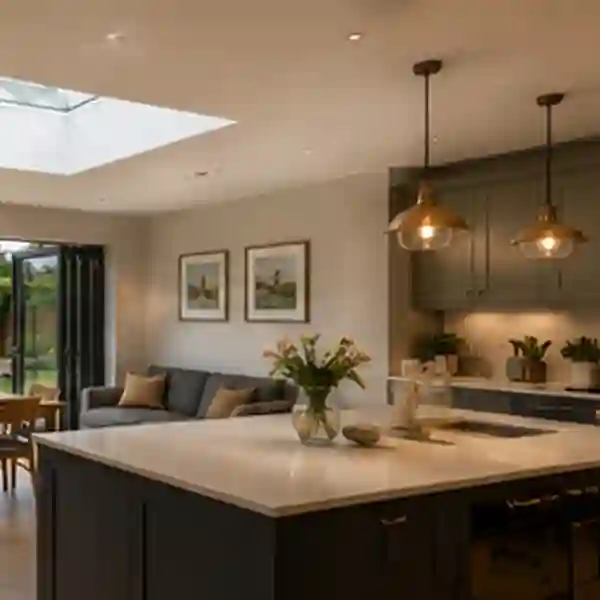
The completed extension created a brighter, calmer and more practical rear living space that now works as the everyday centre of the home. The kitchen, dining and family areas feel better connected, while the rooflights and rear glazing help daylight travel deeper into the plan.
By coordinating planning checks, structure, drainage, daylight, insulation and finishes from the start, HWP Design & Build delivered a single-storey extension that improved the way the family use their Claygate home every day.
Tell us about your rear extension plans and we’ll review the planning route, garden depth, boundary position, drainage, structure, glazing and best layout for your KT10 property.
Serving Claygate, Esher, Cobham, East Molesey, Thames Ditton and nearby Elmbridge areas.
Explore our house extensions, single-storey extensions, rear extensions, kitchen extensions, planning permission support, Building Regulations coordination and design and build services in Claygate. You may also find our Elmbridge permitted development guide and Surrey house extension cost guide useful.