Preloader image for HWP Design & Build

Rear Extension in Thames Ditton KT7

  • 30 years experience
  • 10-year structural guarantee
  • Fixed fee quotation
  • 5% Scheduling discount
  • 500+ Successful projects

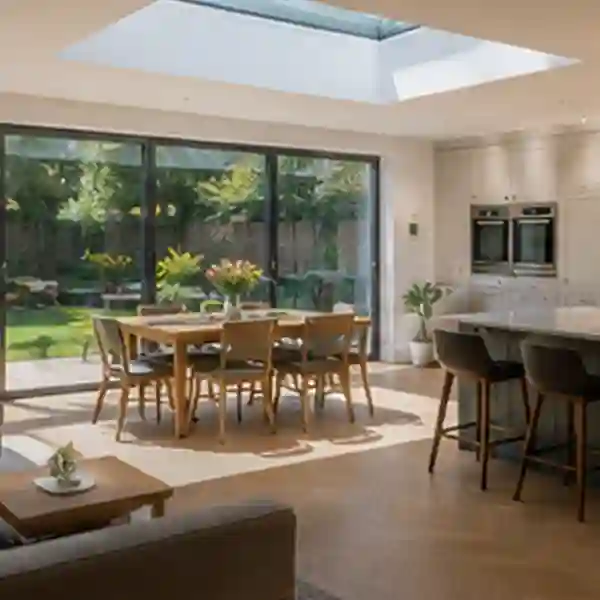
A garden-facing kitchen-diner for a Thames Ditton family home

This Thames Ditton KT7 home had a compact rear layout, limited dining space and a weak connection between the kitchen and garden. The homeowners wanted a brighter family kitchen-diner that felt more sociable, more practical and better suited to everyday life.

A carefully proportioned rear extension was the right solution because it unlocked the back of the house without requiring a larger wrap-around layout or a more disruptive two-storey addition. The design improved usable floor area, garden views, circulation and daylight while keeping the extension in scale with the original property.

Because Thames Ditton includes conservation-sensitive streets, mature gardens and homes close to the River Thames, we reviewed planning route, drainage, external materials, neighbour amenity, garden depth and flood-aware detailing before works progressed. HWP coordinated foundations, structural openings, glazing, insulation, electrics, finishes and Building Regulations through one managed process.

  • Location :KT7 (Thames Ditton)
  • Project Type :Rear Kitchen-Diner Extension
  • Duration :16 Weeks
  • Completion :2026
  • Local Authority :Elmbridge Borough Council

The brief

The homeowners wanted the rear of the house to become the main family space: a practical kitchen, a clearer dining zone, better garden access and more natural light. They also wanted the project handled with cost clarity, a controlled programme and minimal uncertainty around planning, structure and drainage.

  • Create a wider, brighter kitchen-diner at the rear of the home.
  • Improve the relationship between the internal floor level and garden.
  • Use glazing to make the new space feel open without causing overheating or privacy issues.
  • Retain enough garden depth for family use and resale appeal.
  • Coordinate planning, structure, drainage and finishing through one team.

"The new kitchen-diner finally connects the house to the garden. It feels brighter, wider and much more sociable."

The Brooks Family - Thames Ditton

Why a rear extension was the right solution

For this KT7 property, a rear extension offered the best balance between additional living space, budget control and garden retention. The existing rear rooms could be opened up to create a more useful kitchen-diner, while large glazing and roof-level daylight helped avoid the common problem of a deeper ground floor feeling darker in the middle.

A side return or wrap-around extension would have increased the scope and cost, but the property already had enough rear garden depth for a well-proportioned addition. The chosen approach focused investment where it would have the greatest day-to-day impact: the kitchen, dining area, circulation and garden connection.

What we did

The works were planned around a clear build sequence, with the technical decisions agreed before the most disruptive structural and drainage stages began.

  • Rear extension feasibility, measured review and garden-depth assessment.
  • Planning route check, including conservation context and previous alterations.
  • Foundation design coordination, excavation planning and groundworks.
  • Drainage, rainwater routes and inspection access review.
  • Structural opening into the existing rear wall with steel coordination.
  • Rear glazing, threshold detailing, roof build-up and weatherproofing.
  • Kitchen-diner services, lighting, ventilation, insulation and finishes.
  • Inspection support, snagging, handover and aftercare guidance.

Services involved

Planning, compliance and buildability

Rear extensions in Thames Ditton can sometimes be delivered under permitted development, but only where the proposal satisfies the relevant limits on depth, height, eaves, materials, boundaries and previous extensions. Where a design falls outside those limits, or where the property is affected by conservation-area controls or an Article 4 direction, a householder planning application may be the better route.

For this project, the early feasibility stage focused on the planning route, garden depth, neighbouring windows, boundary relationship and how the extension would sit within the rear elevation. This helped reduce risk before structural openings, drainage and glazing specifications were finalised.

Local rear extension considerations in Thames Ditton

Local factor Why it mattered How the project responded
Village and conservation context Thames Ditton includes conservation-sensitive streets where rear additions still need to respect local character. Scale, materials and rear elevation detailing were kept balanced with the original home.
Garden depth Rear extensions can reduce valuable amenity space if they project too far. The extension depth was assessed so the garden remained practical and proportionate.
Drainage and rainwater Rear groundworks often affect existing drains, rainwater routes and inspection access. Drainage positions, rainwater disposal and threshold falls were reviewed before foundation works.
Flood-aware detailing Some Thames Ditton homes are close enough to the Thames or local watercourses to justify closer drainage and threshold review. External levels, thresholds and water management were considered during specification.
Neighbour amenity Rear extensions can affect outlook, daylight, privacy and adjoining patios. Depth, height, boundary relationship and glazing orientation were reviewed at feasibility stage.
Build access Established KT7 streets and mature gardens can restrict deliveries, spoil removal and site storage. Sequencing, protection, working zones and materials handling were planned before site start.

Cost and scope context

Rear extension costs are driven by more than floor area. For this Thames Ditton project, the main cost variables were foundations, drainage, steelwork, glazing, kitchen services, flooring, insulation, electrics, finishes and the level of internal remodelling required around the existing rear rooms.

Early scope clarity was especially important because a garden-facing kitchen-diner often includes several high-impact decisions: sliding or bi-fold doors, rooflights or roof lanterns, kitchen layout, floor finishes, underfloor heating, lighting design and threshold detailing. HWP’s fixed-price approach starts with a defined specification so the quotation is built around the actual project rather than a vague square-metre estimate.

Homeowners comparing options may also find our Surrey and South West London extension cost guide, Elmbridge extension cost and planning guide and kitchen extension ideas for Surrey family homes useful at the early planning stage.

Programme overview

The 16-week programme was structured to keep the critical path moving from groundworks to watertight shell, then through services, finishing and handover.

  • Initial survey, specification review and programme planning.
  • Groundworks, drainage checks and foundations.
  • Structural opening, steels and shell construction.
  • Roofing, glazing and weatherproofing.
  • First fix services, insulation and plastering.
  • Second fix, finishes, snagging and handover.

Design decisions that made the difference

  • A proportionate rear projection to protect garden usability.
  • Garden-facing glazing to improve everyday connection to outside space.
  • Roof-level daylight to brighten the deeper part of the plan.
  • Clear dining and circulation zones rather than one oversized open room.
  • Coordinated drainage and threshold detailing before finishes were specified.

Challenges overcome

  • Creating more kitchen-diner space without over-reducing the garden.
  • Balancing modern rear glazing with a sympathetic rear elevation.
  • Planning drainage and rainwater disposal before foundations progressed.
  • Opening the rear wall safely with structural support and careful sequencing.
  • Improving daylight into the deeper ground-floor plan.
  • Managing access, materials handling and protection around an occupied family home.

The finished result

The completed rear extension gave the homeowners a brighter, calmer and more useful kitchen-diner with a stronger relationship to the garden. The new space improved daily family routines, created a better dining zone and made the rear of the house feel more open without compromising the plot.

By coordinating planning, drainage, structure, glazing and internal finishes from the start, the project delivered the type of practical transformation that makes a family home work better every day.

Key Points

  • Rear kitchen-diner extension in Thames Ditton KT7.
  • Planning route, conservation context and garden depth reviewed early.
  • Drainage, foundations and structural opening coordinated before build.
  • Garden-facing glazing improved indoor-outdoor connection.
  • Building Regulations managed through completion and handover.

Value Added

  • More useful family living space.
  • Brighter kitchen-diner with better garden views.
  • Improved ground-floor flow and dining layout.
  • Better comfort through insulation, glazing and ventilation.
  • Stronger resale appeal in a desirable KT7 village location.

Conclusion

This Thames Ditton rear extension transformed the back of the home into a bright, practical kitchen-diner with a stronger garden connection. The success of the project came from treating the extension as a complete design-and-build exercise: not just extra floor area, but a coordinated upgrade to layout, daylight, structure, drainage, comfort and everyday family use.

Rear extension expertise. Thames Ditton planning insight. Fixed-price clarity.

Planning a rear extension in Thames Ditton?

Tell us about your rear extension plans and we’ll review the planning route, garden depth, drainage, glazing, structure, Building Regulations and best layout for your KT7 home.

Serving Thames Ditton, Long Ditton, Hinchley Wood, East Molesey, Esher and nearby Elmbridge areas.

Rear Extension Thames Ditton FAQs

A rear extension adds space to the back of a house, often to create a larger kitchen-diner, family room, utility area or open-plan living space with a stronger connection to the garden. Learn more about our rear extension service.

The property had enough rear garden depth to improve the kitchen-diner without needing a side return, wrap-around extension or two-storey addition. A rear extension gave the homeowners more everyday family space, improved daylight and created a cleaner link between the kitchen, dining area and garden.

It depends on the size, height, property type, previous extensions, materials, boundaries and whether the home is affected by conservation-area or Article 4 controls. Some single-storey rear extensions can fall under permitted development, while larger schemes may need prior approval or a householder planning application. We check this through our planning permission support.

Thames Ditton is within Elmbridge, so householder planning matters are normally handled by Elmbridge Borough Council. We consider Elmbridge planning policy, conservation context, neighbour amenity, garden depth, materials and drainage before confirming the safest route.

Thames Ditton has a village setting, conservation-sensitive areas, mature gardens, homes close to the River Thames and plots where drainage, rainwater management and neighbour impact need careful early review. A good rear extension should add space without overwhelming the garden or original house.

Yes. Large rear glazing can make a kitchen-diner feel brighter and more connected to the garden, but it needs proper structural support, thermal performance, ventilation, security, drainage falls and threshold detailing. We coordinate glazing choices with the structure, floor build-up and garden level.

Yes. Rooflights, flat roof lanterns or carefully positioned roof glazing can help bring natural light into the deeper part of the ground floor, especially where a rear extension increases the distance from the original middle rooms to the garden.

Yes. Building Regulations normally apply to structure, foundations, insulation, glazing, drainage, ventilation, electrics, fire safety and energy performance. We coordinate this through our Building Regulations support.

Yes. Rear extensions are often delivered alongside a kitchen redesign, utility area, new flooring, lighting, heating, decoration and internal refurbishment. This can make the whole ground floor feel more coherent rather than simply adding space to the back of the house.

They can. Excavation, foundations, new walls or structural work close to neighbouring boundaries may trigger party wall procedures. We can help coordinate this through our party wall support service.

The cost depends on floor area, foundations, drainage, access, glazing, roof type, kitchen specification, structural openings, floor finishes and the amount of internal remodelling required. We build quotations around a measured scope and agreed specification so homeowners understand what is included before work starts.

Yes. We provide design coordination, planning checks, buildability review, structural works, drainage, trades, programme control and handover through our project management service.