
House Extensions, Loft Conversions & Kitchen Extensions in Raynes Park
- 30 years experience
- 10-year structural guarantee
- Fixed fee quotation
- 5% Scheduling discount
- 500+ Successful projects
Family-home upgrades for SW20 semis, terraces, 1930s houses, bungalows and suburban properties close to Wimbledon and New Malden. Our approach: Fixed-price clarity, practical design advice, tidy sites and one accountable build team.
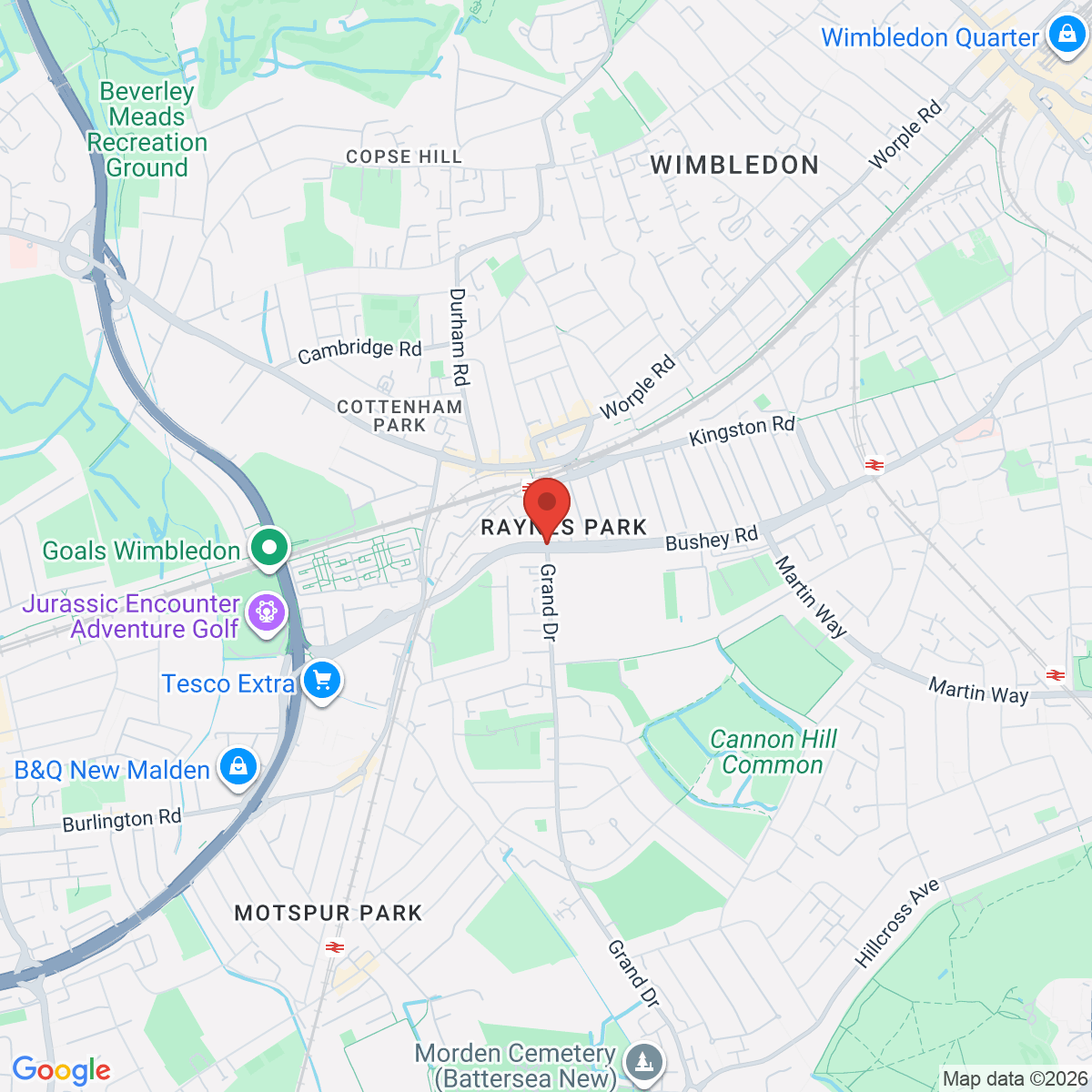
Raynes Park home extension and loft conversion guidance
Raynes Park is a practical suburban extension market: 1930s semis, terraces, bungalows and homes where a garage, side space or roof void can be put to better use.
- Local authority: London Borough of Merton
- Typical postcode context: SW20, with Wimbledon, Motspur Park and New Malden edges
- Typical property mix: 1930s semis, terraces, bungalows, maisonettes, family houses and homes near railway corridors.
- Best-fit project focus: Raynes Park should prioritise rear extensions, hip-to-gable/dormer lofts, garage conversions and practical refurbishments.
- Planning context: Raynes Park falls within Merton, where conservation areas, SuDS guidance, small-site design and suburban character can influence extension proposals.
- Flood / drainage note: Surface-water drainage, garden levels and railway-adjacent land can be relevant. Extensions should consider thresholds, soakaways and drainage capacity early.
Planning a Raynes Park extension, loft conversion or refurbishment
Homeowners often need a kitchen-diner, loft bedroom, office, utility or refurbishment rather than an architectural showpiece. Merton planning, drainage, parking and neighbour outlook still need proper review.
HWP supports Raynes Park projects from feasibility through fixed-price quotation, planning coordination, Building Regulations and build delivery.
HWP Design & Build works across the Surrey and South West London border area, with a service mix covering house extensions, loft conversions, basement fit-out and finishing and renovations and refurbishments. The aim is to turn an early idea into a clear buildable scope, with practical advice on planning, Building Regulations, structure, neighbour interface, finish and budget.
Local streets and property pockets to think about
A useful area page should recognise that Raynes Park is not a single property type. Project viability can change from one street to the next depending on plot depth, roof shape, access, boundaries, conservation controls and neighbouring buildings.
- Raynes Park station streets
- Apostles-style residential streets
- Cannon Hill and West Barnes edges
- roads towards Wimbledon Chase
- family homes towards Motspur Park
Design & build services in Raynes Park
Raynes Park has many 1930s semis, terraces and family homes where a sensible rear extension or loft conversion can solve space pressure without leaving the area. The best design route depends on roof form, plot width, parking, drainage and neighbour position. HWP Design & Build supports homeowners with design & build, technical coordination and fixed-price build clarity across SW20 and nearby areas including Wimbledon, Surbiton, Kingston and Wandsworth.
House Extensions in Raynes Park
House extensions in Raynes Park often focus on open-plan kitchen-family rooms, side/rear additions and better links to the garden. HWP can assess whether a rear extension, single-storey extension or wider refurbishment will deliver the most useful space for the budget.
Useful routes include rear extensions, side return extensions, wrap-around extensions and double-storey extensions.
Loft Conversions in Raynes Park
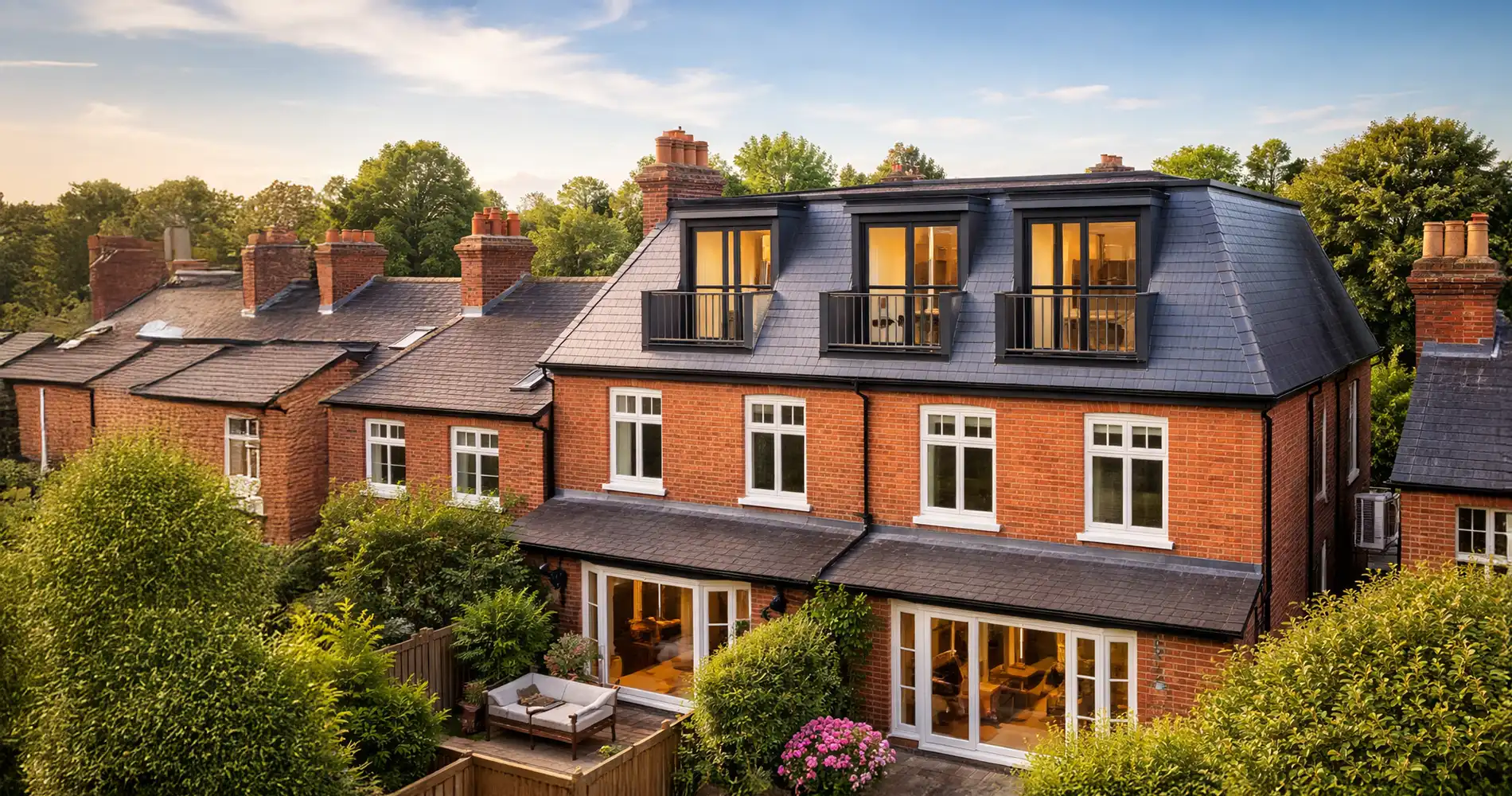
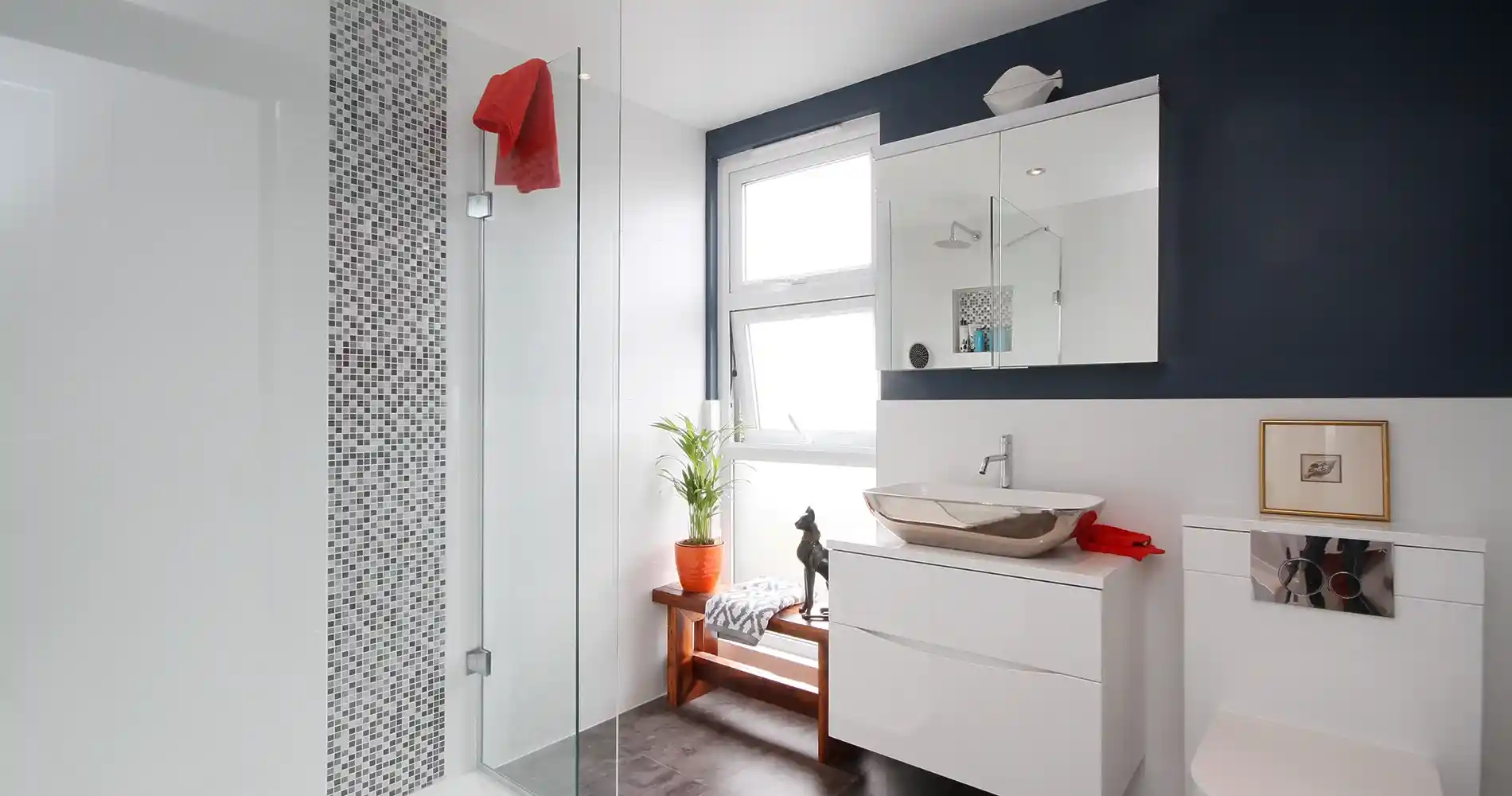
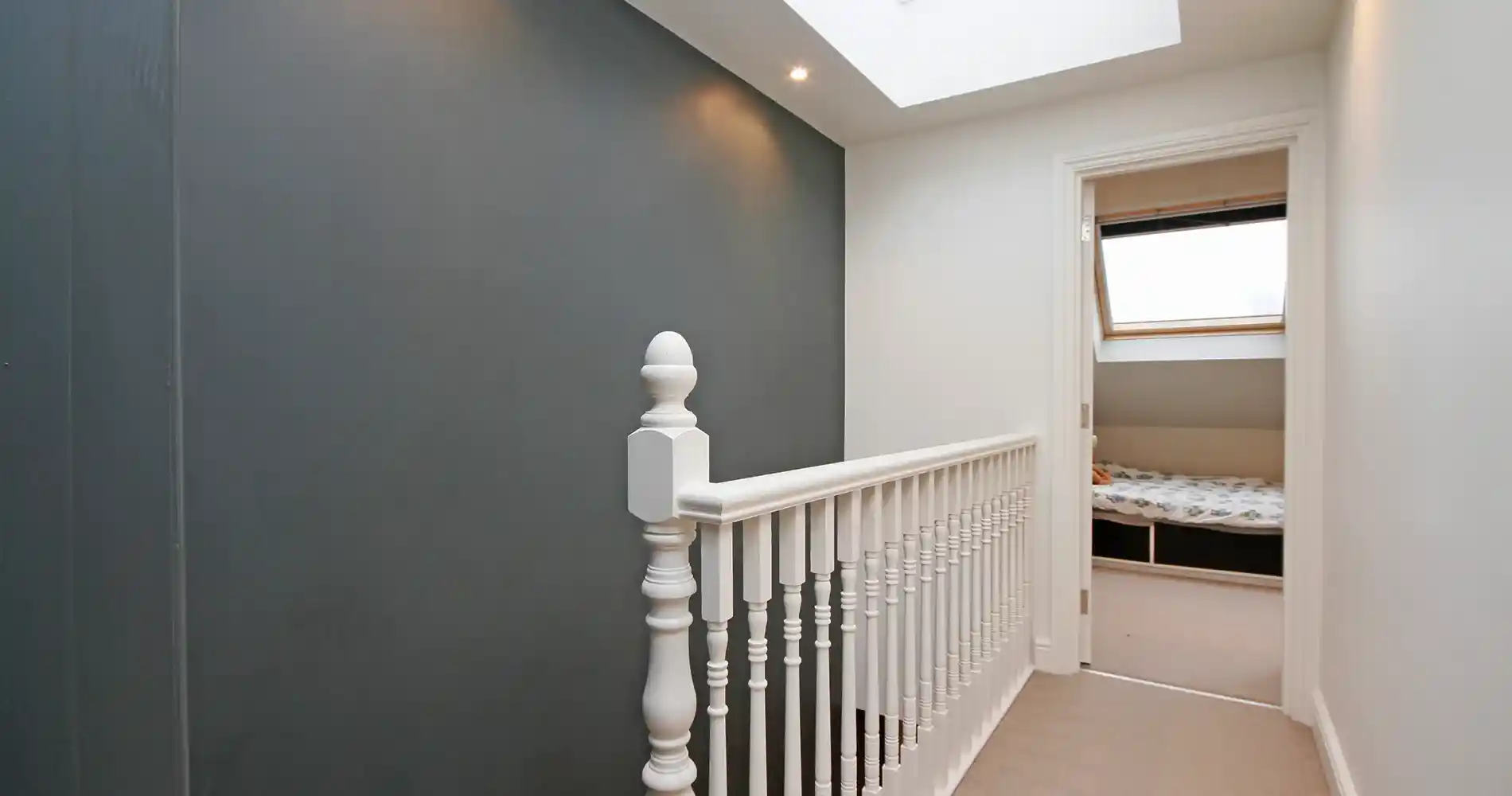
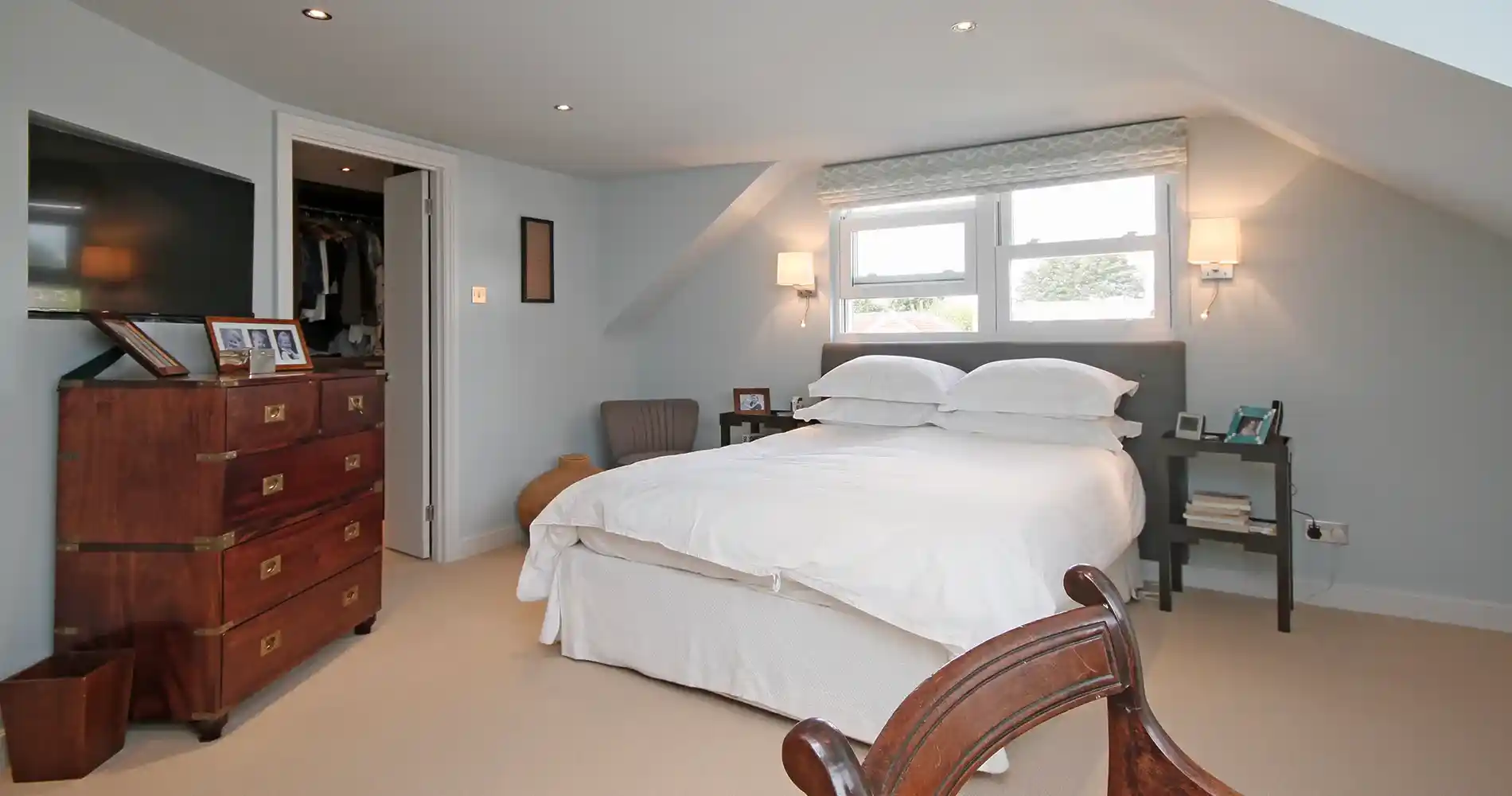
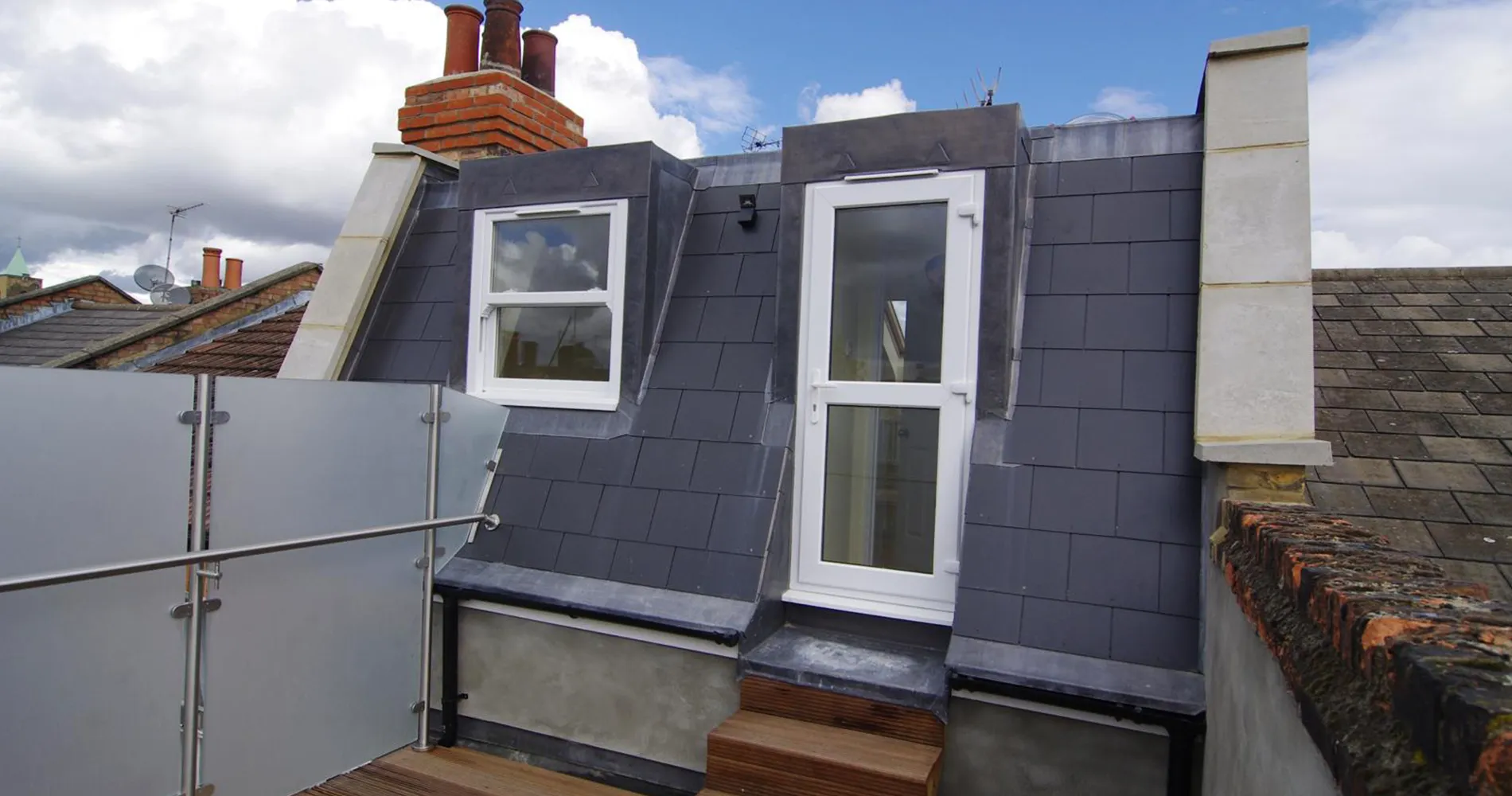
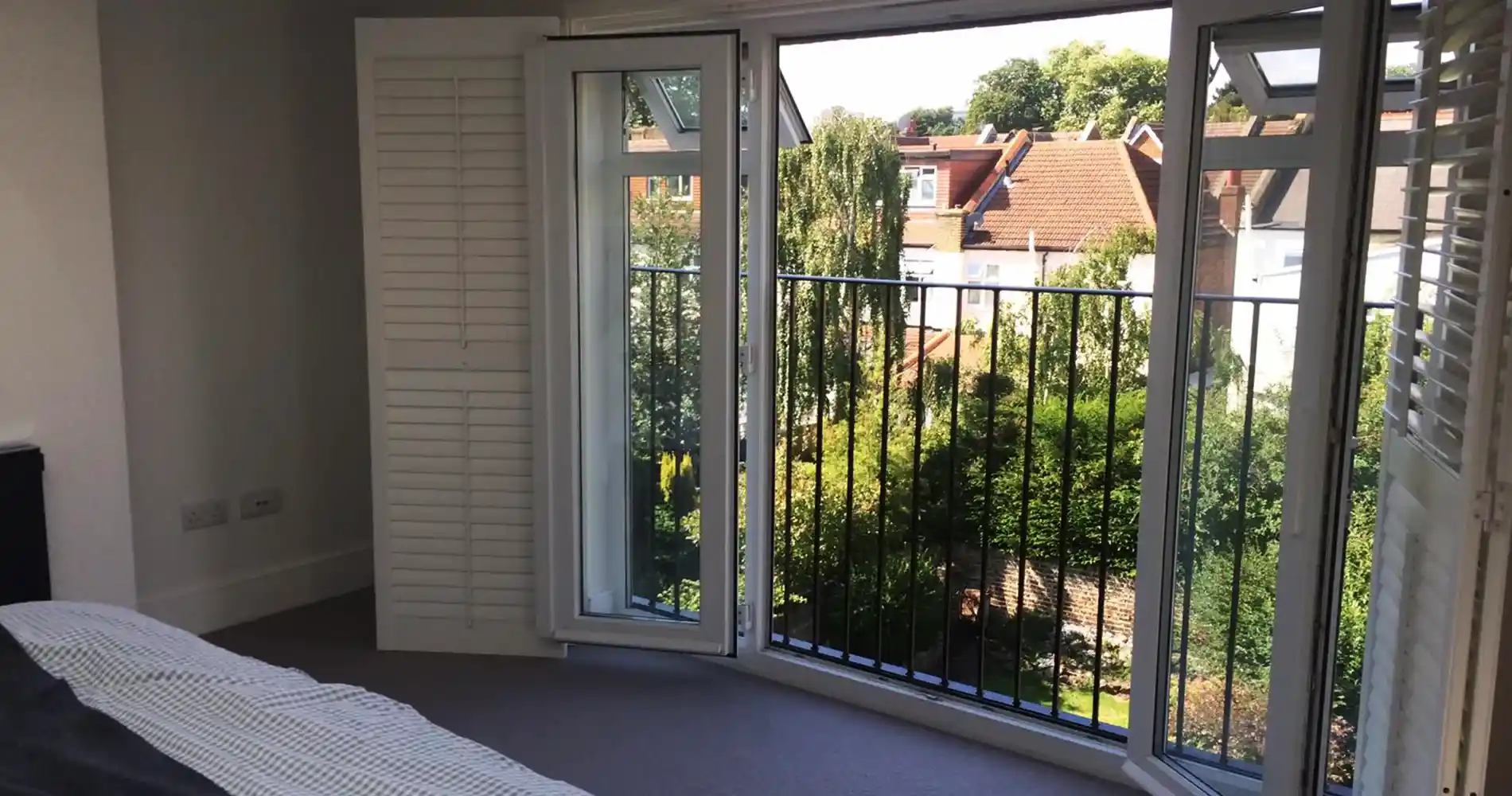
Loft conversions in Raynes Park can create an extra bedroom, office or bathroom where headroom and stairs work. We check dormer, hip-to-gable and rooflight routes against Merton planning context, roof structure and Building Regulations.
Compare dormer, hip-to-gable, mansard and Velux / rooflight conversion options.
Kitchen Extensions in Raynes Park
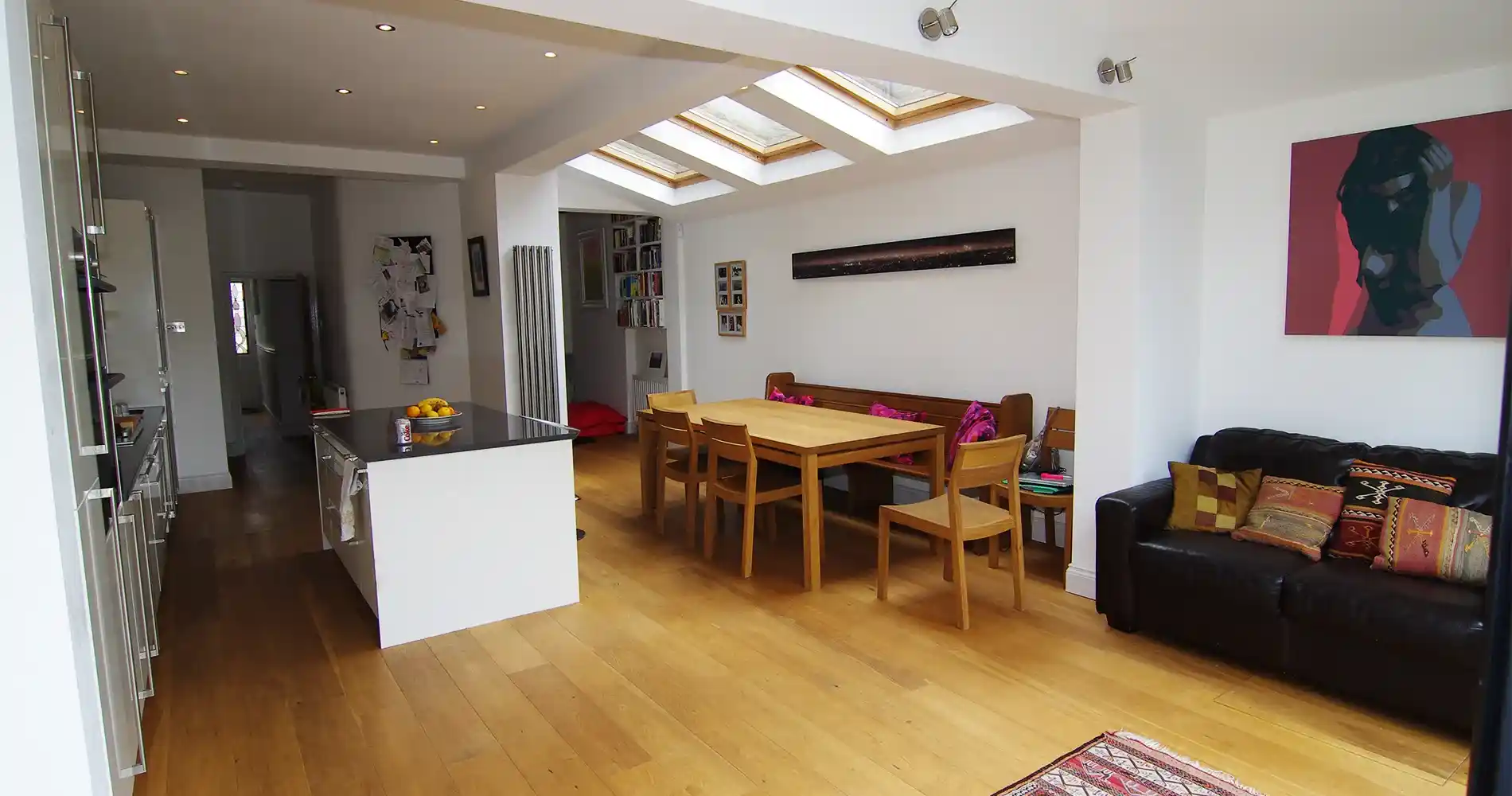
Kitchen extensions in Raynes Park need to balance open-plan living with storage, utility space and good circulation. We design around daylight, rooflights, structural spans and garden access so the new room works throughout the week, not just in photographs.
For cost planning, see our Surrey house extension cost guide.
Planning and party wall considerations in Raynes Park homes
Raynes Park projects may involve Merton planning, permitted development checks, party wall notices and Building Control coordination. We map those requirements before finalising drawings and the fixed-price scope.
Start with planning permission support, Building Regulations and party wall support.
Recent HWP projects near Raynes Park
Use nearby project examples to understand scope, finish and build route before comparing options for a Raynes Park home.
Most useful project routes in Raynes Park
These are the service routes most likely to make sense locally. They are not generic recommendations; they reflect the property mix, access constraints and planning context normally seen in Raynes Park.
Rear extension
Creates a kitchen-diner and flexible family space.
Hip-to-gable loft conversion
Useful where roof form and headroom allow.
Garage conversion
A good value option for offices, utility rooms or playrooms.
Renovation and refurbishment
Upgrades insulation, heating, windows, bathrooms and electrics.
Project priorities by property type
Before choosing a design route, it is worth comparing what the property is actually capable of delivering. A loft conversion, rear extension, basement fit-out or refurbishment can each be the “right” answer depending on the house, budget and planning risk.
| Property / site situation | Most sensible first option | Local checks before committing |
|---|---|---|
| 1930s semi | Rear extension with utility and cloakroom | Drainage, steel design and neighbour outlook |
| Hipped-roof house | Hip-to-gable loft or rear dormer | Roof symmetry, stairs and permitted development checks |
| Bungalow/chalet home | Loft conversion or rear addition | Headroom, structural loads and massing |
| House with garage | Garage conversion into study or playroom | Insulation, floor build-up and storage |
| Tired family home | Refurbishment with energy improvements | Heating, electrics, windows and phasing |
Raynes Park property values: why improving can be worth exploring
In a high-value local market, the cost of moving can be substantial before you even consider a larger mortgage. These area-level benchmarks are included to help homeowners think clearly about the financial trade-off between moving and improving. They are not a valuation and should not replace estate-agent advice.
| Property type | Indicative local value benchmark | Why this matters for extension and conversion decisions |
|---|---|---|
| Terraced / period homes | Approx. £840,000 | Useful benchmark for side return extensions, rear kitchen extensions, dormer lofts and space-saving refurbishments. |
| Semi-detached family homes | Approx. £1,107,000 | Often suitable for rear extensions, wrap-around layouts, hip-to-gable loft conversions and family-focused upgrades. |
| Detached homes | Approx. £1,726,000 | Can support larger extensions, whole-home refurbishments, double-storey projects and premium specification upgrades. |
| Flats / apartments | Approx. £504,000 | Usually more focused on internal refurbishment, layout improvement, leasehold consent and presentation than external expansion. |
Potential value uplift from extra space
National research suggests that extra floor area, bedrooms and bathrooms can add value when the design is well integrated and the new space feels natural to the property. The examples below apply those national assumptions to local benchmarks only to show scale; actual resale value depends on the precise home and market conditions.
| Improvement scenario | Research-based assumption | Approx. uplift on terraced benchmark | Approx. uplift on semi-detached benchmark | Relevant HWP service |
|---|---|---|---|---|
| Increase usable floor area by around 10% | Approx. 5% value uplift in national analysis | Approx. £42,000 | Approx. £55,350 | House extensions and loft conversions |
| Add an extra double bedroom | Approx. 10%–15% depending on layout and buyer demand | Approx. £84,000–£126,000 | Approx. £110,700–£166,050 | Dormer loft conversions and hip-to-gable loft conversions |
| Add a large bedroom and bathroom | Up to 24% in some researched scenarios | Up to approx. £201,600 | Up to approx. £265,680 | Loft conversions and double-storey extensions |
| Improve layout, kitchen, services and finish | Uplift depends heavily on specification and market expectations | Often useful where a period home feels dated or poorly connected to the garden | Often useful where family buyers expect open-plan space, storage and upgraded services | Renovations and refurbishments |
Move or improve in Raynes Park?
The true cost of moving includes Stamp Duty, selling fees, legal work, removals, surveys, mortgage fees and the gap between your current home and the next property. Improving can be more attractive where you already like the street, schools, commute, garden and neighbours.
| Moving-cost scenario | Example purchase price | Estimated Stamp Duty | Estimated estate agent fee | Other moving costs allowance | Indicative transaction cost | How to interpret it |
|---|---|---|---|---|---|---|
| Buying at the local terraced-home benchmark | £840,000 | £32,000 | £10,140 | Approx. £6,000+ | £48,140+ | A meaningful budget that may contribute to a loft room, kitchen upgrade or internal refurbishment. |
| Buying at the local semi-detached benchmark | £1,107,000 | £54,450 | £13,360 | Approx. £6,000+ | £73,810+ | Often comparable to a major part of a rear extension, dormer loft or combined refurb package. |
| Buying at the local detached-home benchmark | £1,726,000 | £120,870 | £20,830 | Approx. £6,000+ | £147,700+ | A significant transaction cost that may justify assessing redevelopment potential before moving. |
Raynes Park extension and conversion options compared
Costs vary widely by structure, access, professional fees, specification, VAT, glazing, kitchen/bathroom choices and temporary works. This comparison helps homeowners decide which route is worth investigating first.
| Project type | Typical cost benchmark | Best for | Potential value benefit | Key local considerations |
|---|---|---|---|---|
| Rear extension | Approx. £1,800–£3,000 per m² nationally | Creates a kitchen-diner and flexible family space. | May improve usable space and saleability where the project solves a real layout constraint. | London Borough of Merton planning context, Building Regulations, access, neighbours and finish specification. |
| Hip-to-gable loft conversion | Approx. £60,000 average UK benchmark | Useful where roof form and headroom allow. | May improve usable space and saleability where the project solves a real layout constraint. | London Borough of Merton planning context, Building Regulations, access, neighbours and finish specification. |
| Garage conversion | Approx. £8,500–£20,000 nationally for many garage conversions | A good value option for offices, utility rooms or playrooms. | May improve usable space and saleability where the project solves a real layout constraint. | London Borough of Merton planning context, Building Regulations, access, neighbours and finish specification. |
| Renovation and refurbishment | Highly variable depending on scope and finish | Upgrades insulation, heating, windows, bathrooms and electrics. | May improve usable space and saleability where the project solves a real layout constraint. | London Borough of Merton planning context, Building Regulations, access, neighbours and finish specification. |
Planning, Building Regulations and neighbour considerations
The planning route is only one part of a successful project. A well-run build also considers structure, insulation, ventilation, fire safety, drainage, party wall obligations, delivery access and finish quality from the start.
Merton planning context
Local character, drainage, design quality and conservation issues should be checked.
Suburban neighbour impact
Rear extensions should avoid excessive depth and overlooking.
Drainage and SuDS
Surface-water management can influence design and landscaping.
Railway-side sites
Railway corridors may affect access, noise, vibration and boundaries.
How HWP would assess your Raynes Park project
We start by understanding what you want the home to do differently: more bedrooms, a better kitchen, a work-from-home room, improved storage, a larger family space or a full refresh before selling. Then we assess what the property can sensibly support.
The early conversation normally covers measured space, roof form, foundations, drainage, access, neighbouring homes, planning sensitivity, likely structural input, Building Regulations and the level of finish you want. That gives you a more realistic route to a fixed-price specification than simply pricing from a sketch or square metre rate.
Why choose HWP Design & Build?
Fixed-price clarity
We aim to define the specification clearly before quoting, reducing the risk of vague allowances and unexpected gaps.
Local planning awareness
We consider the relevant council context, conservation sensitivity, neighbour impact and practical buildability from the outset.
Full-scope service
Extensions, loft conversions, basement fit-outs and refurbishments can be coordinated under one practical build plan.
Sensible, durable upgrades
We focus on usable layouts, strong detailing, insulation, ventilation, storage and finishes that suit real family living.
Useful project guides
These guides can help you compare project types, likely costs and planning questions before requesting a quotation.
Project inspiration
View our mansard loft conversion in Wimbledon SW19 for a local-style roof-space project example.
Nearby areas we cover
HWP Design & Build also works in nearby locations, so we can often compare local planning and property considerations across adjoining areas.
Clear scope. One accountable team. Fixed-price clarity.
Ready to price your home improvement project?
Tell us about your extension, loft conversion, refurbishment or design & build project. We’ll arrange a site visit, review the scope and explain the best route forward.
Serving East Molesey, Elmbridge, Surrey and nearby South West London.
Raynes Park FAQs
Frequently asked questions
Rear kitchen extensions, garage conversions and loft conversions are common for SW20 family homes.
Often, but roof structure, head height, foundations and massing must be assessed.
Yes. Raynes Park sits within the London Borough of Merton.
Yes. Some homeowners start with a rear extension and later add a loft or refurbishment.
Yes. We aim to agree a clear scope and specification before providing a fixed-price quotation wherever the site information allows. This helps you compare the build route with the true cost of moving.
Yes. We can support planning checks, London Borough of Merton context, structural coordination and Building Control requirements through our planning, Building Regulations and project management services.