- Location :KT8 (Hampton Court)
- Project Type :Kitchen Extension
- Duration :15 Weeks
- Completion :2026
- Local Authority :Elmbridge Borough Council

This Hampton Court KT8 home needed a larger kitchen and dining space with better daylight, improved storage and a stronger relationship with the garden. The existing kitchen felt disconnected from everyday family life, with limited space for dining, circulation and relaxed use at the rear of the home.
HWP Design & Build delivered a carefully planned kitchen extension that combined a new rear living zone, rooflights, garden-facing glazing, structural openings and coordinated kitchen services. The result was a more practical open-plan kitchen-diner that felt brighter, calmer and better connected to the outside space.
Because the property sits within the wider Hampton Court and East Molesey setting, the design was reviewed around scale, materials, privacy, garden depth, drainage and planning route. KT8 includes heritage-sensitive streets, conservation-area context and homes close to the River Thames, so early feasibility work helped reduce uncertainty before the build progressed.
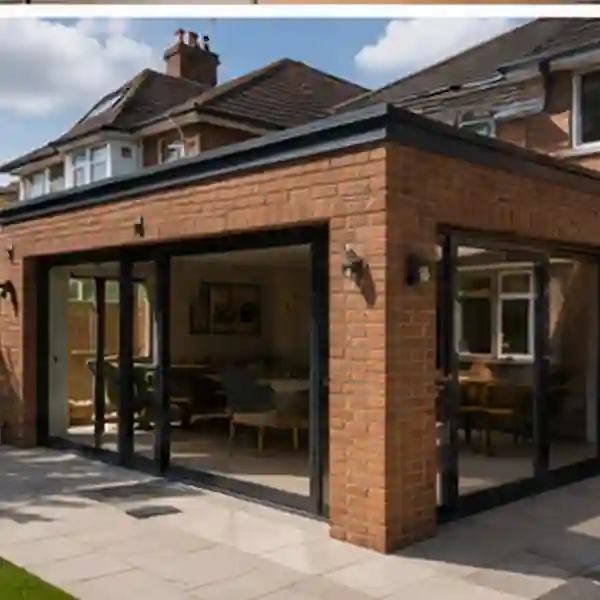
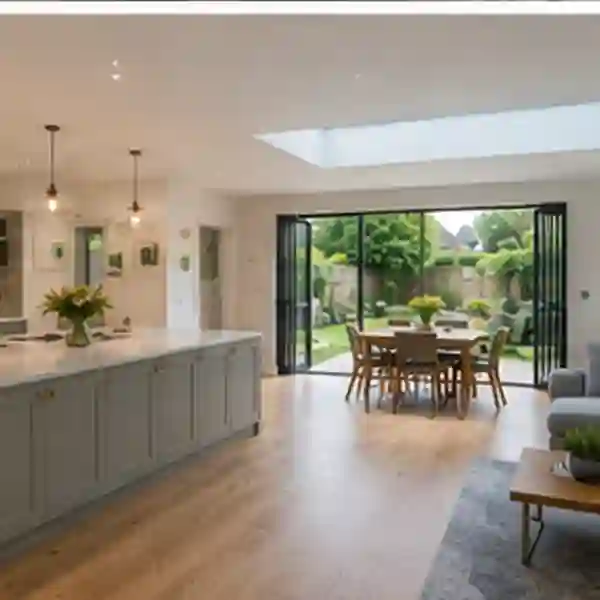
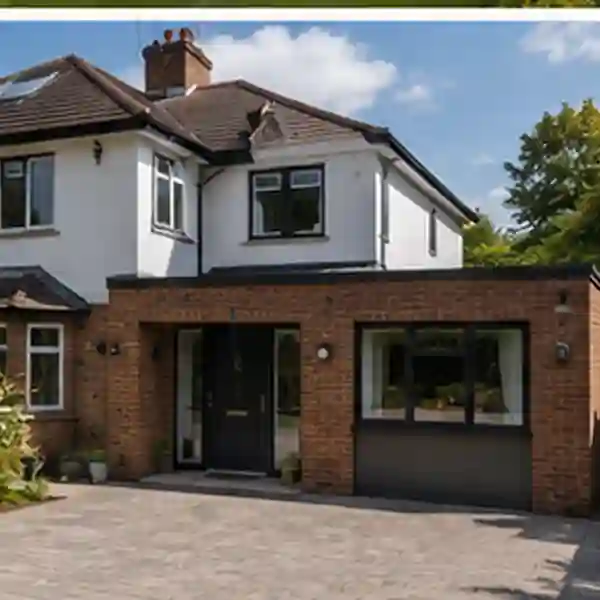
The kitchen was the pressure point in the house. Extending at ground level allowed the homeowners to improve the room they used most, rather than only adding extra square footage elsewhere. A kitchen extension was also more targeted than a larger whole-house refurbishment, because it focused budget on layout, daylight, services and finishes where they would have the greatest everyday impact.
The rear extension created enough depth for a clearer kitchen and dining arrangement, while rooflights helped prevent the middle of the floor plan from feeling dark. Garden-facing doors improved outlook and usability, making the new kitchen-diner feel like a proper family living space rather than a kitchen with a dining table added as an afterthought.
This approach is especially relevant around Hampton Court and East Molesey, where many homeowners want to improve an existing family home in a desirable location instead of moving. A well-planned kitchen extension can add daily value while retaining the character and garden relationship that make the area attractive.
Kitchen extensions can sometimes fall under permitted development, but the route depends on the house type, previous extensions, depth, height, materials, proximity to boundaries and whether local restrictions apply. For Hampton Court and KT8 properties, we also check conservation context, Article 4 restrictions, neighbouring amenity and flood-aware drainage requirements where relevant.
The technical package also needed to satisfy Building Regulations. This covered foundations, structural steelwork, thermal performance, glazing, ventilation, electrics, drainage and inspection sign-off. We coordinated the kitchen supplier requirements early so appliance positions, extraction, island services and lighting could be planned before the build reached first fix.
Hampton Court kitchen extensions need more than a generic rear-extension approach. The local setting includes period homes, conservation-area context in nearby East Molesey and Thames Ditton, established gardens, busy access routes and properties close to the Thames corridor. The design therefore needed to balance modern family living with scale, detailing and practical build constraints.
| Local factor | Why it mattered | How the project responded |
|---|---|---|
| Heritage-sensitive setting | Homes around Hampton Court, Bridge Road and East Molesey can sit close to conservation and historic character areas. | Scale, materials, rear elevation treatment and visual impact were reviewed before finalising the design route. |
| Daylight into the plan | Kitchen extensions can deepen the ground floor and make the middle of the house darker. | Rooflights and rear glazing were planned with the kitchen layout to pull daylight into the working and dining zones. |
| Kitchen services | Plumbing, electrics, heating, extraction and lighting must align with cabinetry and appliance positions. | First-fix services were coordinated from the kitchen plan rather than left until late in the build. |
| Drainage and rainwater | Rear extensions often affect existing drainage, inspection access and rainwater routes. | Waste, rainwater and threshold detailing were reviewed before foundation and floor works progressed. |
| Flood-aware context | Some KT8 and Hampton Court-area homes need careful review because of the River Thames and local surface-water conditions. | Drainage, external levels and threshold details were considered early, with address-specific checks recommended before works start. |
| Access and disruption | Kitchen projects affect daily life because the main cooking space may be unavailable during part of the programme. | Sequencing, temporary protection, trade coordination and communication were built into the project plan. |
A successful kitchen extension depends on much more than the shell. The construction programme had to work around the final kitchen layout, because appliance positions, extraction, lighting, sockets, heating, plumbing and drainage all needed to be in the right place before surfaces and cabinetry were installed.
| Kitchen element | Why it needed early coordination | Project response |
|---|---|---|
| Island or dining zone | Floor sockets, lighting, circulation and furniture positions need to work together. | The open-plan layout was reviewed before first fix so circulation did not feel cramped. |
| Extraction and ventilation | Kitchen extensions need suitable ventilation to manage cooking moisture and odours. | Extraction route and ventilation were planned alongside roof and wall construction. |
| Rooflights | Poorly placed rooflights can clash with steels, lighting or cabinetry sightlines. | Rooflight positions were coordinated with structure, daylight goals and internal layout. |
| Rear glazing | Large openings need structural support and careful thermal/weather detailing. | The rear opening, lintel/steel support, threshold and weathering were reviewed as one package. |
| Heating and comfort | Open-plan kitchen-diners need balanced heating and insulation to avoid cold zones. | Thermal performance, heating provision and glazing specification were considered together. |
| Appliances and plumbing | Late changes to sinks, dishwashers, fridges and taps can disrupt walls, floors and finishes. | Wet services and appliance positions were coordinated before plastering and second fix. |
Kitchen extensions often cost more than a simple empty room extension because they combine structure, glazing, drainage, heating, electrics, ventilation, cabinetry, appliances, flooring, lighting and high-use finishes. Reliable pricing depends on the size of the extension, the roof design, amount of glazing, kitchen specification, structural opening, drainage complexity, access and whether planning or party wall matters are required.
| Scope item | Typical impact on budget | Project note |
|---|---|---|
| Structural opening | Major cost driver | Opening the rear of the existing house needed safe temporary works and steel coordination. |
| Rooflights and glazing | Specification-dependent | Rooflights and rear doors improved daylight and garden connection but required careful detailing. |
| Drainage and external levels | Medium to major cost driver | Drainage, rainwater and threshold details were considered before foundations progressed. |
| Kitchen fit-out | Highly specification-dependent | Cabinetry, worktops, appliances, lighting and flooring can significantly affect final budget. |
| Services upgrade | Project-dependent | Electrics, heating, plumbing and extraction were coordinated around the final kitchen design. |
| Planning, Building Regulations and party wall | Project-dependent | Local constraints, inspections and neighbour matters were reviewed before works progressed. |
For broader budgeting advice, see our Surrey and East Molesey house extension cost guide and our kitchen extension ideas for Surrey family homes.
Kitchen extensions require careful sequencing because the property may lose its main cooking space while structural work, services and finishes are underway. The programme was managed around safety, weatherproofing, first-fix accuracy and the point at which the kitchen installation could begin.
| Stage | Focus | Why it mattered |
|---|---|---|
| Feasibility and design | Layout, planning route, kitchen design, glazing and buildability. | Helped make sure the extension size and kitchen plan worked before costs were fixed. |
| Groundworks and drainage | Foundations, below-ground services, external levels and rainwater strategy. | Reduced risk of late drainage changes once the shell was underway. |
| Structure and shell | Walls, roof, steels, rooflights and rear glazing. | Created the watertight envelope and the main open-plan room. |
| First fix | Plumbing, electrics, heating, lighting and extraction. | Aligned services with cabinetry, appliances and everyday kitchen use. |
| Finishes and handover | Plastering, second fix, decoration, snagging and final checks. | Turned the extension from a shell into a finished, practical family kitchen-diner. |
The completed kitchen extension gave the family a brighter, more sociable and better organised ground-floor space. Rooflights improved natural light, rear glazing strengthened the garden connection, and the coordinated service plan helped the new kitchen work cleanly from day one.
Instead of feeling like a separate room at the back of the house, the kitchen became the centre of daily family life. The extension also improved the property’s appeal in a sought-after KT8 location where usable family space, natural light and garden connection are important selling points.
This Hampton Court kitchen extension created a brighter, more sociable and better organised family living space. The success of the project came from treating the kitchen design, structure, glazing, rooflights, drainage, services and local planning context as one coordinated scope.
By managing the extension through a clear design and build process, the homeowners gained the extra space they needed while keeping the result proportionate to the home, garden and KT8 setting.
Tell us about your kitchen extension plans and we’ll review the layout, planning route, rooflights, garden glazing, drainage, structure, services, Building Regulations and best way to phase the works around your KT8 home.
Serving Hampton Court, East Molesey, West Molesey, Thames Ditton, Esher and nearby Elmbridge areas.
Explore our house extensions, kitchen extensions, rear extensions, side return extensions, wrap-around extensions, planning permission support, Building Regulations coordination, design and build services in Hampton Court and design and build services in East Molesey.