- Location :KT13 (Weybridge)
- Project Type :Double-Storey Rear Extension
- Duration :6 Months
- Completion :2026
- Local Authority :Elmbridge Borough Council

This Weybridge KT13 home needed more than a larger ground-floor room. The existing kitchen and dining area felt constrained, while the first floor also needed additional bedroom space for long-term family use. A double-storey extension was the most efficient way to improve both levels without spreading the build too far into the garden.
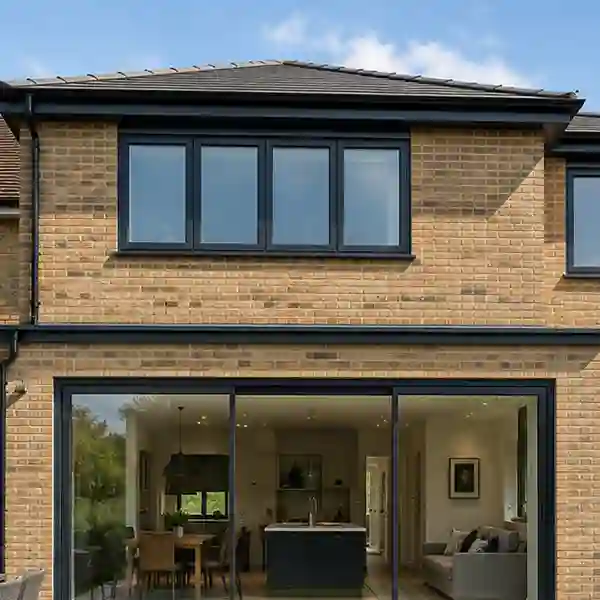
The design created a larger kitchen-diner below and a new bedroom zone above, while keeping the overall massing carefully controlled. In Weybridge, where many homes rely on proportion, roofline, garden setting and kerb appeal, a two-storey addition needs more design discipline than a simple rear extension.
HWP coordinated the feasibility review, planning route, foundations, drainage, structural steels, first-floor integration, roof detailing, insulation, services and Building Regulations sign-off through one managed programme.
.webp)
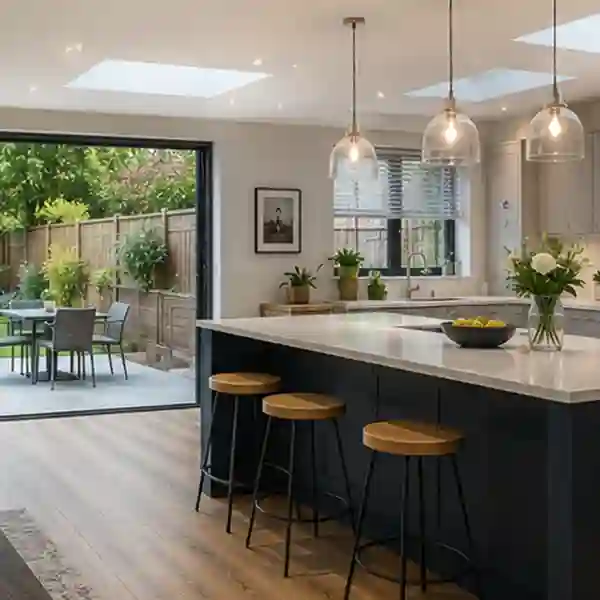
The homeowners wanted the house to work better for family life without moving from a desirable Weybridge location. The ground floor needed a brighter kitchen-diner with improved garden connection, while the first floor needed additional bedroom accommodation that felt properly integrated with the existing landing and layout.
A single-storey extension would have improved the kitchen, but it would not have solved the upstairs space problem. The double-storey route created more value from the same rear footprint by combining two important requirements into one coordinated project.
Double-storey extensions work best where the home needs a meaningful improvement across both floors. On this property, the rear footprint could support a carefully proportioned extension, and the additional first-floor space helped justify the complexity of the project.
The design avoided the common issue of creating a large ground-floor addition while leaving the upstairs layout unchanged. By resolving the kitchen-diner and bedroom requirements together, the new extension improved the whole family flow rather than just one room.
This approach was also important for garden value. In a sought-after KT13 location, retaining a balanced garden relationship can be as important as adding floor area, so the project focused on efficient use of footprint rather than maximum projection.
Two-storey extensions need more careful planning review than most single-storey projects because they can affect neighbouring outlook, daylight, privacy and roofscape. Early checks considered the extension depth, rear boundary relationship, roof pitch, side-facing upper windows, previous alterations and whether the proposal needed a full householder planning application.
The design was also reviewed against Weybridge and Elmbridge context, including nearby conservation-sensitive areas, established street character and the need for materials and proportions to sit comfortably with the original property. Building Regulations were coordinated separately, covering structure, foundations, energy performance, ventilation, fire safety, drainage, electrics and inspection sign-off.
Weybridge contains a mix of high-value family homes, historic pockets, mature plots and larger detached or semi-detached properties. In this setting, a successful double-storey extension must add floor area while protecting privacy, roof proportion, garden value and the appearance of the original house.
| Local factor | Why it mattered | How the project responded |
|---|---|---|
| Neighbour amenity | Two-storey massing can affect daylight, outlook and privacy more than a single-storey extension. | Extension depth, window positions, side glazing and overlooking were reviewed before the design progressed. |
| Roof integration | Weybridge homes often depend on roof proportion, eaves detail and rear elevation balance for kerb appeal. | Pitch, eaves, ridge relationship and materials were coordinated with the existing house. |
| Conservation sensitivity | Weybridge includes conservation areas and streets where character and materials may need closer review. | The proposal was checked for local context, scale, materials and whether a more sensitive planning approach was needed. |
| Garden value | Family gardens are part of the appeal of many KT13 homes. | The two-storey route added floor area above and below without over-consuming rear garden depth. |
| First-floor privacy | New upper-floor windows can change relationships with neighbouring gardens and bedroom windows. | Window alignment, side-facing glazing and internal room planning were considered together. |
| Structural complexity | Adding a second storey changes loads, foundations, temporary works and roof integration. | Structural design, steelwork, padstones and load paths were coordinated before opening up the existing house. |
The project was not simply about adding more floor area. The key design challenge was making the new two-floor addition feel balanced from the outside and natural from the inside. The ground floor was planned around everyday kitchen-dining use, while the upper floor was designed around privacy, daylight and a logical bedroom layout.
| Design decision | Benefit | Project note |
|---|---|---|
| Controlled rear projection | Protected garden usability and reduced neighbour impact. | The footprint was reviewed for both floor-area gain and external proportion. |
| Coordinated roof pitch and eaves | Helped the extension feel integrated with the existing house. | Roofline, eaves and rainwater goods were considered as part of the elevation design. |
| Open-plan kitchen-diner below | Improved daily family use and connection to the garden. | The structural opening was planned with kitchen layout, lighting and circulation in mind. |
| Bedroom space above | Added long-term family accommodation without moving home. | The first-floor layout was connected back to the existing landing so it felt natural. |
| Privacy-led window placement | Reduced overlooking risk and improved planning confidence. | Upper-floor glazing was reviewed in relation to neighbouring windows and gardens. |
| Early structural coordination | Reduced delays once the house was opened up. | Steels, padstones, bearings and temporary support were agreed before key construction stages. |
Double-storey extension budgets are driven by the size of the footprint, foundation requirements, ground conditions, steelwork, roof integration, kitchen specification, first-floor layout, glazing, heating, electrics, bathrooms, finishes and the level of internal remodelling. Although a two-storey extension costs more overall than a single-storey build, it can be efficient because the upper floor shares important elements such as foundations, walls and roof structure.
| Scope item | Typical impact on budget | Why it matters |
|---|---|---|
| Foundations and groundworks | Major cost driver | Two-storey loads require the foundation design to be right from the start. |
| Structural steel and load transfer | Major cost driver | Large ground-floor openings and first-floor loads need careful engineering. |
| Roof integration | Medium to major cost driver | Matching pitch, eaves and weathering details affects both appearance and durability. |
| Kitchen-diner works | Specification-dependent | Cabinetry, appliances, worktops, lighting and flooring can vary significantly. |
| First-floor accommodation | Specification-dependent | Bedrooms, bathrooms, heating, storage and finishes all affect scope. |
| Planning, party wall and Building Regulations | Project-dependent | Two-storey projects can need more technical coordination than smaller extensions. |
Our process starts with survey, feasibility and scope clarity so the quotation reflects the actual structure, specification and site constraints rather than a generic square-metre estimate. For wider cost planning, our Elmbridge house extension costs and timeline guide explains the main variables homeowners should consider.
The build was planned around a phased programme so the home could move from structural works to weatherproof shell, services and finishing in a controlled sequence. Two-storey work requires careful staging because roof integration, temporary support and internal openings can affect more of the house than a smaller rear extension.
| Stage | Focus | Why it mattered |
|---|---|---|
| Survey and design coordination | Layout, planning route, neighbour impact and structural strategy. | Reduced uncertainty before site works began. |
| Groundworks and foundations | Excavation, drainage, concrete and inspection stages. | Created the correct base for the two-storey load. |
| Structure and shell | Walls, steels, first-floor integration and roof structure. | Connected the new extension safely to the existing home. |
| Weatherproofing and services | Roofing, windows, electrics, plumbing, heating and ventilation. | Moved the project from structural shell to usable interior space. |
| Finishes and handover | Kitchen-diner finishes, bedroom completion, decoration, snagging and sign-off. | Delivered the quality finish expected for a Weybridge family home. |
The completed extension improved the home on both levels. Downstairs, the family gained a larger kitchen-diner with a better connection to the garden. Upstairs, the new bedroom accommodation added long-term flexibility and helped the house support the family without the need to move.
The key success was proportion. By coordinating planning, structure, roof integration, privacy, garden relationship and internal layout from the start, the extension felt like a natural improvement to the Weybridge property rather than an oversized addition.
This Weybridge double-storey extension delivered the extra space the family needed on both floors, creating a larger kitchen-diner below and new bedroom accommodation above while retaining a balanced relationship with the garden.
The project succeeded because the two-storey design was handled as a complete design-and-build exercise: planning, structure, neighbour amenity, roofline, Building Regulations and internal layout were all considered together before works progressed.
Tell us about your extension plans and we’ll review the planning route, neighbour impact, privacy, roofline, structure, drainage, Building Regulations and best layout for your KT13 property.
Serving Weybridge, Walton-on-Thames, Cobham, Esher, East Molesey and nearby Elmbridge areas.
Explore our house extensions, double-storey extensions, rear extensions, single-storey extensions, planning permission support, party wall support, Building Regulations coordination, Elmbridge extension costs and planning timelines and design and build services in Weybridge.